
The Importance of Cybersecurity in a Digital-First World


The Rise of Cyber Threats
In today's digital-first world, the internet has become an integral part of our daily lives. From online banking to remote work, we rely heavily on digital platforms. However, this increased connectivity has also led to a rise in cyber threats. Hackers and cybercriminals are constantly evolving their tactics to exploit vulnerabilities in systems and networks.

Understanding Cybersecurity
Cybersecurity refers to the practices and technologies designed to protect networks, devices, and data from unauthorized access or attacks. It is a crucial component in safeguarding sensitive information and ensuring privacy. With cyber threats becoming more sophisticated, the importance of robust cybersecurity measures cannot be overstated.
The Impact of Cyber Attacks
Cyber attacks can have devastating effects on both individuals and businesses. For companies, a breach can lead to financial losses, reputational damage, and legal liabilities. Individuals may face identity theft, financial fraud, and loss of personal information. The consequences of a cyber attack are far-reaching and can disrupt entire communities.

Key Cybersecurity Measures
Implementing effective cybersecurity measures is essential to protect against potential threats. Here are some key strategies:
- Regular Software Updates: Keeping software and systems updated helps patch vulnerabilities.
- Strong Passwords: Use complex passwords and change them regularly.
- Two-Factor Authentication: Adds an extra layer of security to accounts.
- Employee Training: Educating employees on security best practices is crucial.
The Role of Government and Organizations
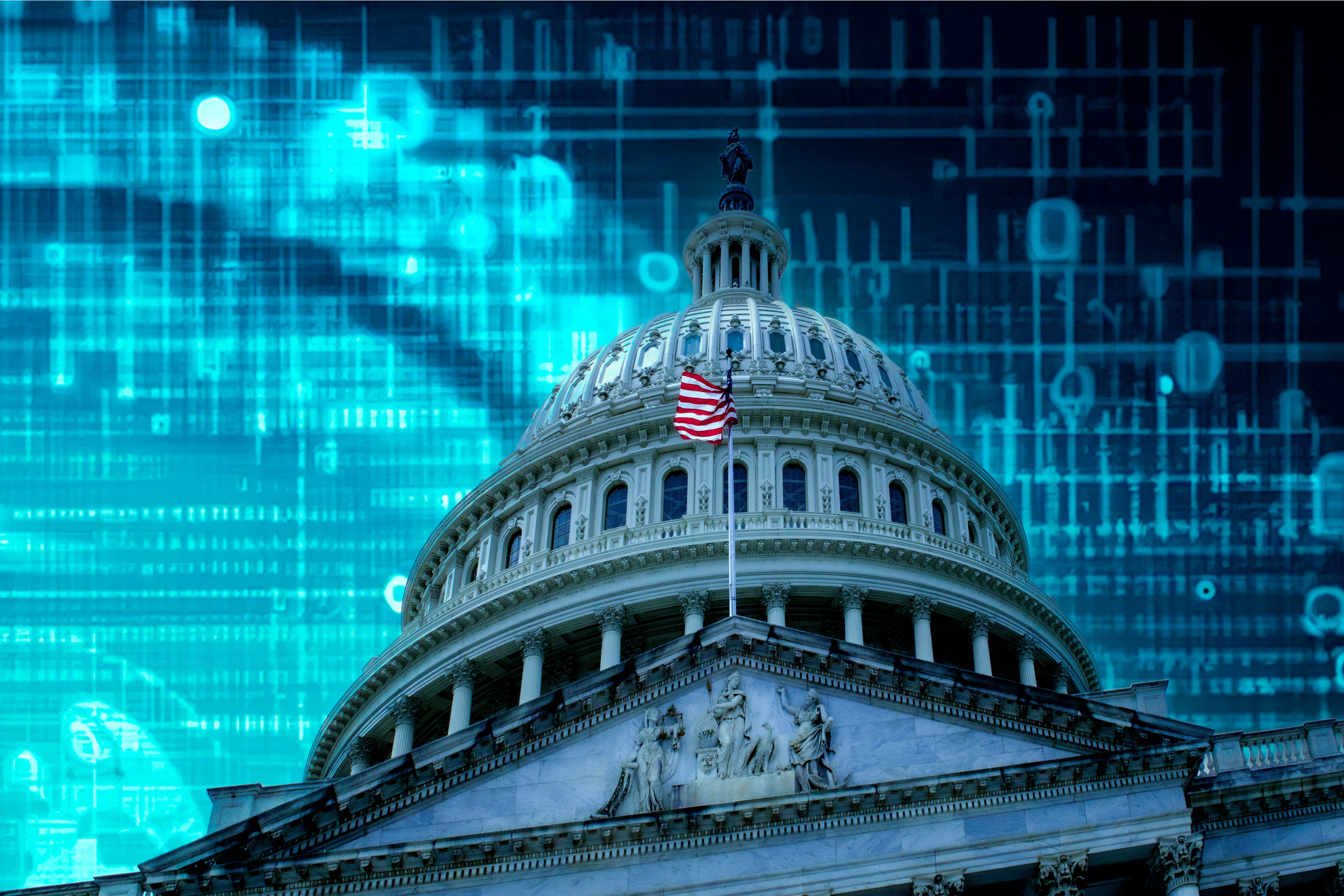
Governments and organizations play a significant role in promoting cybersecurity. Regulatory bodies are implementing stricter laws and guidelines to ensure data protection. Companies are investing in advanced security technologies and collaborating with cybersecurity experts to fortify their defenses.
Future of Cybersecurity
As technology continues to advance, the field of cybersecurity must adapt to new challenges. Emerging technologies like artificial intelligence and machine learning are being leveraged to detect and respond to threats more efficiently. The future of cybersecurity will focus on proactive measures and real-time threat intelligence.
Conclusion
In a digital-first world, cybersecurity is not just an option; it's a necessity. Protecting our digital assets requires a collective effort from individuals, businesses, and governments. By staying informed and implementing comprehensive security strategies, we can navigate the digital landscape safely and securely.