How Seasonal Changes Affect Cybersecurity in Miami


Understanding Seasonal Cybersecurity Challenges
Miami, known for its vibrant culture and sunny beaches, also faces unique cybersecurity challenges that vary with the seasons. While many people focus on the weather changes, few consider how these shifts can impact digital security. Businesses and individuals alike need to stay vigilant as each season brings its own set of potential threats.
The influx of tourists during peak travel seasons, such as winter and spring break, can lead to increased cybercriminal activity. Hackers often target tourists who may not be as cautious with their digital information while on vacation. This makes it essential for businesses to bolster their cybersecurity measures during these periods.

Weather Impacts on Cybersecurity
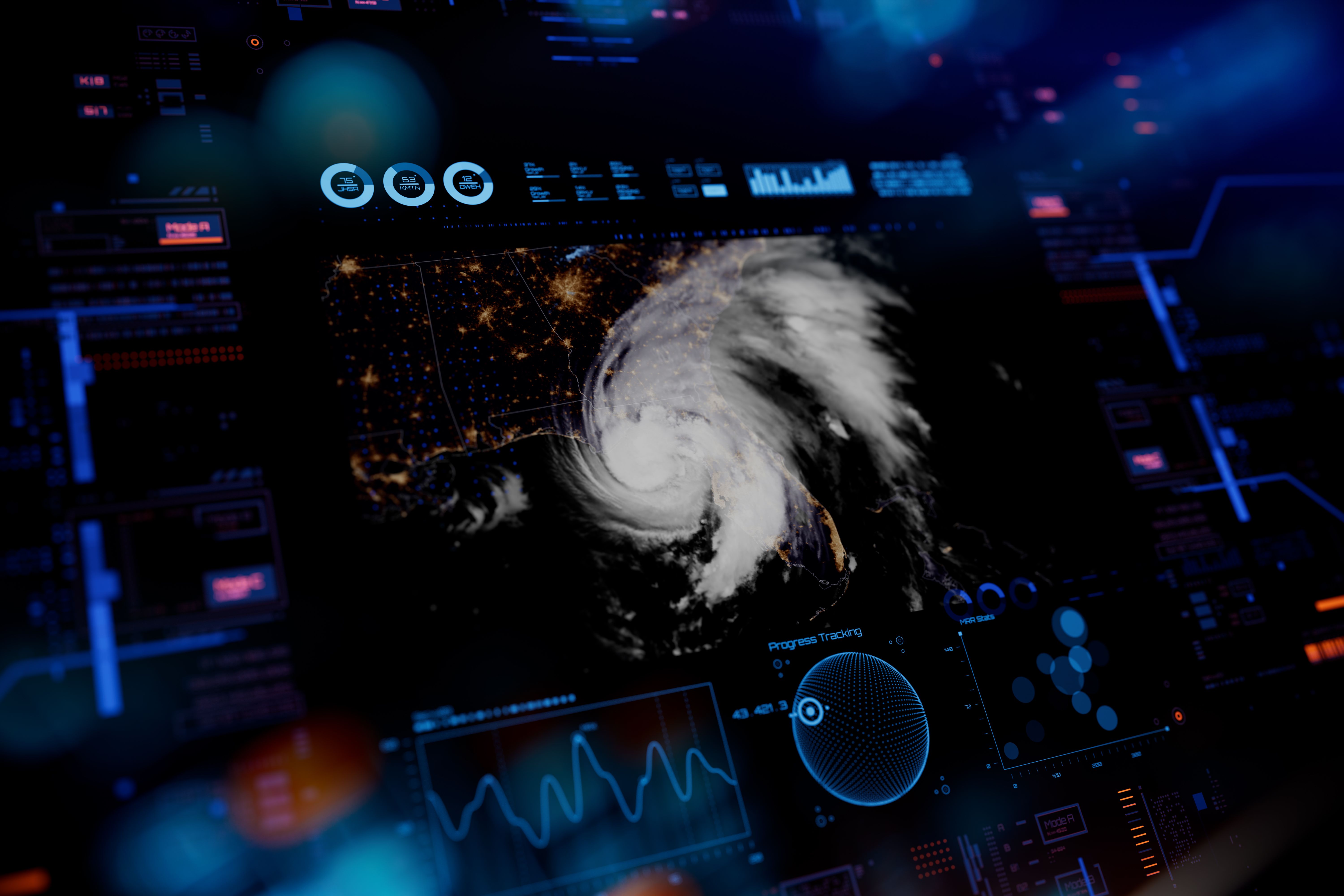
Miami's weather can also play a significant role in cybersecurity. The hurricane season, running from June to November, poses risks not only to physical infrastructure but also to digital systems. Power outages and disrupted communication channels can leave networks vulnerable to attacks.
During adverse weather conditions, emergency responses often take precedence, potentially leaving cybersecurity measures unattended. Businesses should ensure they have robust backup systems and disaster recovery plans in place to mitigate these risks.
Holiday Seasons and Cyber Threats
The holiday season, especially around December, sees a surge in online shopping, making it a prime time for cybercriminals to strike. Phishing attacks and fraudulent websites are common tactics used to steal personal and financial information from unsuspecting shoppers.
Businesses must enhance their security protocols, such as implementing multi-factor authentication and conducting regular security audits, to protect their customers and themselves from these threats. Educating employees and customers about recognizing potential scams is also crucial during this time.
Adapting to Seasonal Workforce Changes
Miami's seasonal workforce fluctuations can also impact cybersecurity. During peak tourist seasons, many businesses hire temporary staff, which can lead to increased vulnerability if proper training and security measures are not implemented.
Employers should provide comprehensive cybersecurity training for all employees, ensuring that even temporary staff are aware of best practices for digital security. Regular updates and refreshers on security protocols can help maintain a strong defense against potential threats.
Proactive Measures for Year-Round Security
While seasonal changes can present unique challenges, maintaining robust cybersecurity measures year-round is essential. Implementing consistent security policies, keeping software updated, and conducting regular vulnerability assessments are critical steps.
Businesses should also stay informed about the latest cybersecurity trends and threats, adjusting their strategies accordingly to protect their data and systems effectively. By taking a proactive approach, organizations can safeguard against seasonal and year-round cyber threats.