
Expert Tips for Securing Your Small Business in a Digital World


Understanding the Digital Threat Landscape
As small businesses increasingly operate online, understanding the digital threat landscape becomes crucial. Cybercriminals often target small businesses, assuming they have weaker defenses. It's essential to recognize the different types of threats, from phishing scams to ransomware attacks. By staying informed, you can better protect your business's sensitive data and customer information.
Implementing Strong Password Policies
One of the simplest yet most effective ways to secure your digital assets is by implementing strong password policies. Encourage employees to use complex passwords that include a mix of letters, numbers, and symbols. Regularly updating passwords and using a password manager can further enhance security. This ensures that unauthorized individuals cannot easily access your systems.
Utilizing Two-Factor Authentication
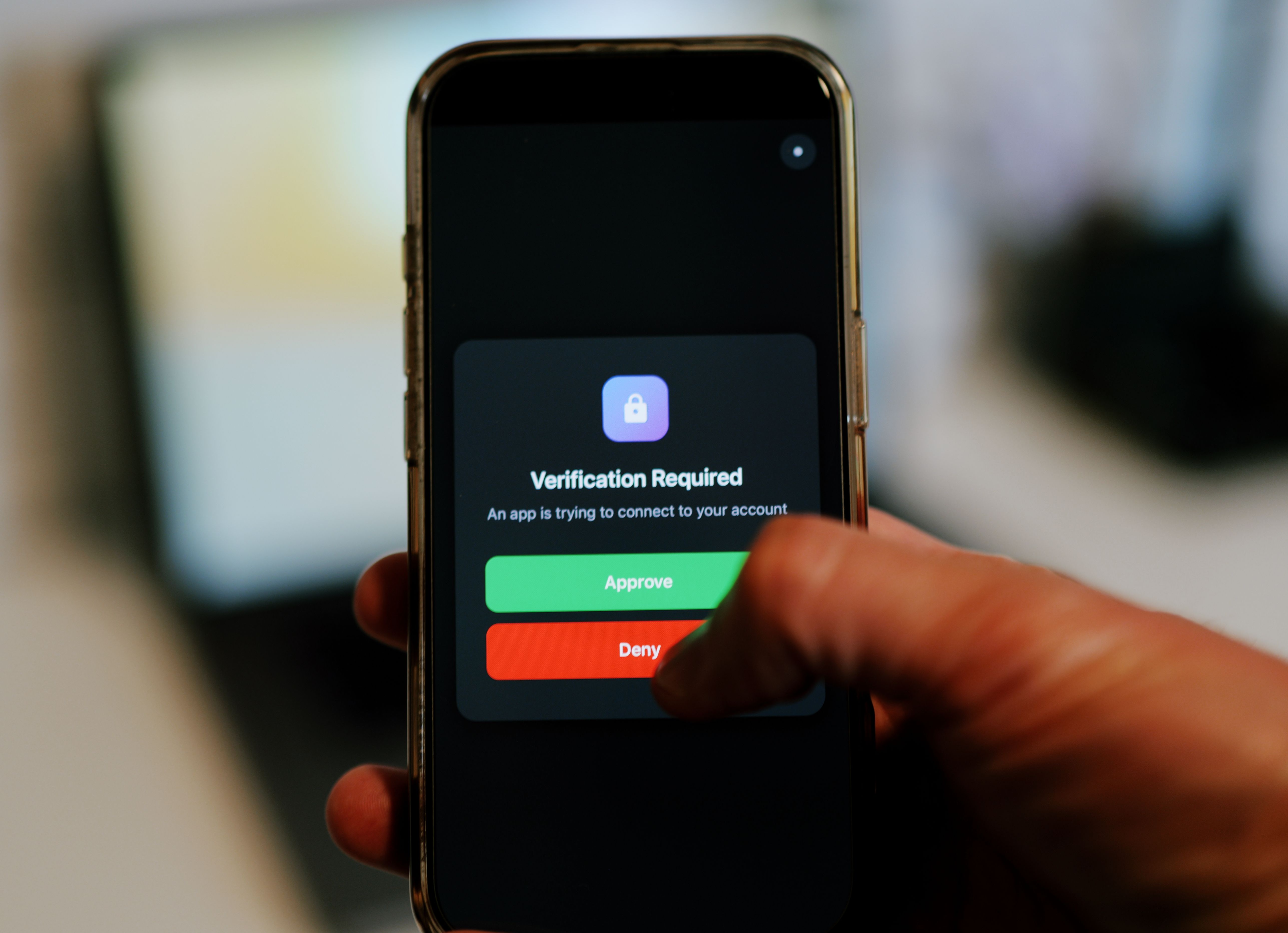
Two-factor authentication (2FA) provides an additional layer of security. By requiring a second form of verification, such as a text message code or authentication app, 2FA significantly reduces the risk of unauthorized access. Implementing 2FA across all accounts, especially those with sensitive information, is a crucial step in safeguarding your business.
Regular Software Updates and Patching
Keeping software up to date is vital for protecting against vulnerabilities. Software developers regularly release updates and patches to fix security flaws. By enabling automatic updates, you ensure that your systems are always running the latest versions, reducing the risk of exploitation by cybercriminals.
Employee Training and Awareness
Employees play a crucial role in your business's cybersecurity. Regular training sessions can help them recognize potential threats and respond appropriately. Educating your team about phishing scams, safe browsing practices, and data protection measures can significantly decrease the likelihood of a security breach.

Backing Up Your Data
Regular data backups are critical for business continuity. In the event of a cyberattack, having backups ensures that you can quickly restore your systems and minimize downtime. Consider using both on-site and cloud-based backups for added security. Regularly test your backup systems to verify their effectiveness.
Investing in Cyber Insurance
Cyber insurance can be a valuable investment for small businesses. It provides coverage against losses resulting from cyber incidents, such as data breaches or business interruptions. While it doesn't replace robust security measures, it offers financial protection and peace of mind in the event of a cyberattack.

Conclusion
Securing your small business in a digital world requires a proactive approach. By implementing robust security measures, educating your employees, and staying informed about the latest threats, you can protect your business from cyber risks. Remember, the cost of prevention is always less than the cost of a breach.